Gas, Electric, Heat Pump or Solar Hot Water: How to Choose
5 min read
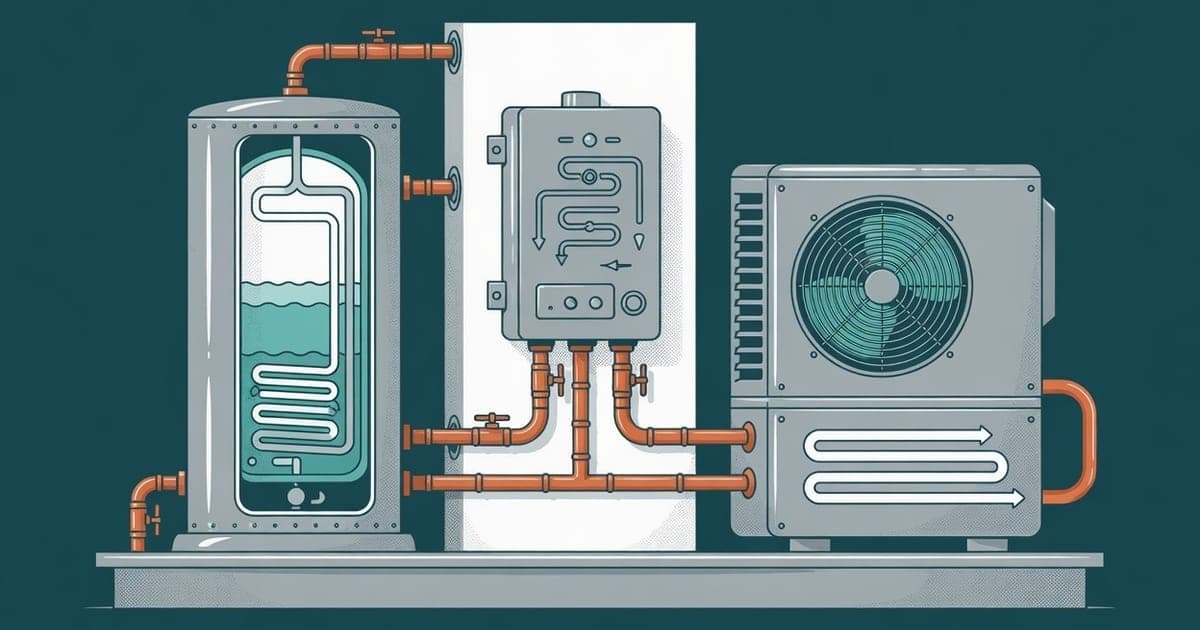
Hot water is usually the second biggest energy bill in an Australian home after heating and cooling, so the system you choose matters for years. The four common types are electric storage, gas (storage or continuous flow), heat pump and solar. Each suits a different household, roof, fuel connection and budget. This guide walks through how they work, the rough running costs to expect, the rebates that change the sums, and how to size the unit so you do not run out mid shower.
The four system types
Electric storage heats water with an element in an insulated tank and holds it until you need it. It is the cheapest to buy and simplest to install, but the most expensive to run at standard tariff. Running it on a controlled off peak tariff cuts that cost substantially, though the tank has to be large enough to carry the house through the day.
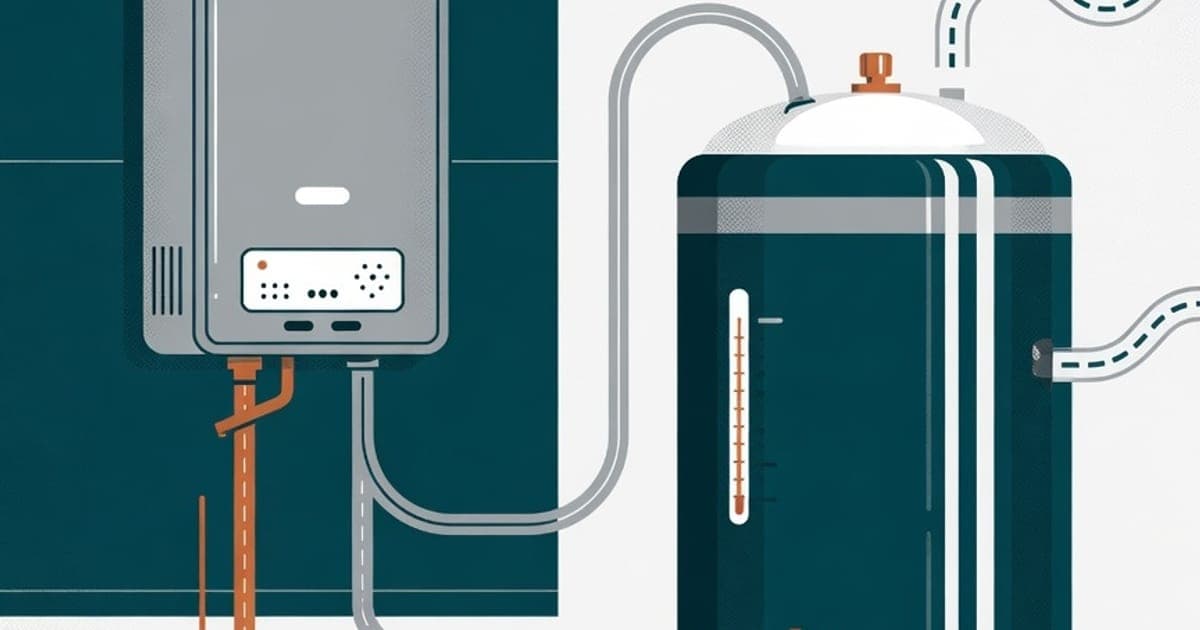
Gas comes in two forms. Gas storage keeps a tank hot with a burner, while gas continuous flow (also called instantaneous or tankless) fires only when a tap opens and heats water on demand. Continuous flow never runs out but is limited by its flow rating. Gas depends on your having natural gas or an LPG bottle, and note that several states are steering new homes away from gas connections.
Heat pump systems use the same refrigerant cycle as a reverse cycle air conditioner to pull warmth out of the air and move it into a tank. They use roughly a third to a quarter of the electricity of a plain electric element for the same hot water, which makes them the standout for running cost when you cannot fit solar.
Solar hot water uses roof collectors (flat plate or evacuated tube) to heat water, with an electric or gas booster for cloudy stretches. It has the highest upfront cost and needs suitable roof space and orientation, but the lowest running cost over its life.
Rough running costs
Actual figures depend on tariff, gas price, climate zone and how much hot water you use, so treat these as ballpark annual costs for a typical family of four:
| System | Rough yearly running cost |
|---|---|
| Electric storage (standard tariff) | $700 to $1000 |
| Electric storage (off peak) | $400 to $600 |
| Gas continuous flow | $300 to $500 |
| Heat pump | $150 to $350 |
| Solar with electric boost | $80 to $250 |
The purchase and install price runs the other way. Electric storage is cheapest to fit, heat pump and solar cost the most upfront, and gas sits in between if you already have a connection. The right answer is the total of both numbers over the eight to fifteen years the unit will last.
Rebates change the maths
Heat pump and solar systems are eligible for Small scale Technology Certificates (STCs) under the federal scheme, which the installer usually claims as an upfront discount. Several states and territories add their own rebates on top, often targeted at swapping out an old electric element system. Because these can knock four figures off a heat pump, they frequently make it cheaper over five years than sticking with electric storage. Always confirm current eligibility before you commit, and use a licensed installer, because self installed units are not eligible.
Sizing so you do not run cold
For storage systems, size by tank volume against peak daily demand. As a rough starting point, a two person home suits 125 to 170 litres of electric storage or a smaller heat pump, while a family of four to five wants 250 to 315 litres, more if everyone showers in the same hour. Heat pumps recover more slowly than a gas burner, so err larger. For continuous flow, size by flow rate in litres per minute rather than volume, which is covered in detail in our guide to continuous flow vs storage hot water sizing.
Whatever you fit, the delivery temperature to bathrooms is capped by the plumbing standard, so a tempering valve is part of the job. Read tempering valves and TMV compliance before you sign off. If your incoming water quality is poor, pairing the system with the right filtration, covered in our water filtration comparison, protects the tank and the tapware.
Getting it installed
Hot water replacement is plumbing and, for gas, gasfitting work, so it must be done by a licensed tradesperson who issues a compliance certificate. Our guide on how to choose a licensed plumber covers what to check. If you are comparing quotes on units and parts, browse current supplier and installer listings, or if you sell or install hot water systems you can list your business to reach local buyers.
The short version: fit a heat pump if you run on electricity and want the lowest bills without a roof full of collectors, solar if you have the roof and the budget, gas continuous flow if you have cheap gas and a big simultaneous demand, and electric storage only where budget is tight and an off peak tariff is available.
Common questions
How long does a hot water system last?
It depends on the type. Electric and gas storage tanks typically last eight to twelve years, and their working life is extended by replacing the sacrificial anode before it is fully consumed. Heat pumps generally run ten to fifteen years, gas continuous flow units fifteen years or more, and solar collectors fifteen to twenty years, though the booster and pump are replaced sooner. Hard water and neglected anodes shorten every one of them.
Can I switch from one fuel type to another?
Yes, but factor in the changeover cost. Moving from electric to gas needs a gas connection and gasfitting, moving to a heat pump needs a suitable outdoor location and electrical supply, and moving to solar needs roof space and structural capacity. The running cost saving often justifies it over the life of the unit, especially once rebates are counted, but get the full installed price before you decide.
Do I need approval to replace a hot water system?
A like for like replacement is usually straightforward plumbing work that needs a compliance certificate but no separate approval. Relocating the unit, changing fuel type, or fitting a new gas connection can involve more, so ask your plumber what applies in your area before the job starts.
Which system is cheapest overall?
Add the purchase and install price to the running cost across the life of the unit. Electric storage is cheapest to buy and dearest to run, heat pump and solar are dearest to buy and cheapest to run, and gas sits between when you already have a connection. For most homes on electricity, a rebated heat pump wins on the total.