Tempering Valves and TMVs: AS/NZS 3500 Compliance
5 min read
Every compliant hot water installation in Australia has to solve two opposing problems at once. The tank must store water hot enough to kill Legionella bacteria, yet the water that reaches a shower or basin must be cool enough that it cannot scald. The device that bridges that gap is a tempering valve or, in higher risk settings, a thermostatic mixing valve. This guide explains the temperature rules in AS/NZS 3500.4, the difference between the two valve types, and when ongoing testing is required.
Why storage is hot and delivery is cool
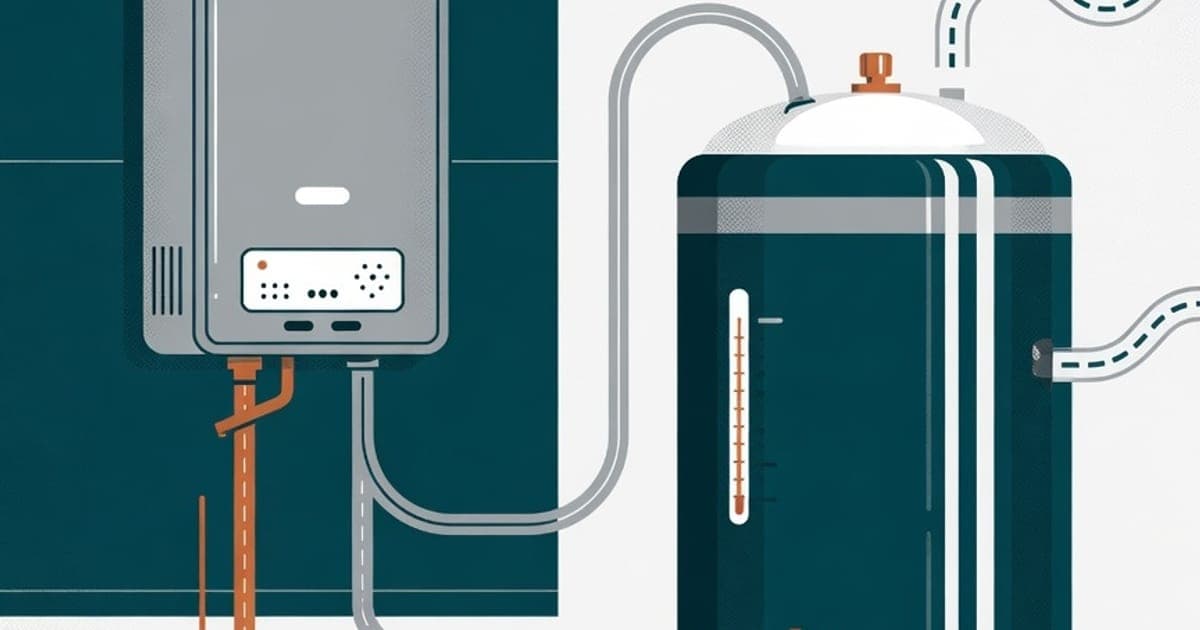
Legionella bacteria thrive in warm water and are killed reliably once stored water is held at or above 60 degrees. That is why the standard requires stored hot water to sit at a minimum of 60 degrees at the tank. The problem is that water at 60 degrees will give a serious scald in seconds, and children and the elderly are burnt fastest. So the standard also caps the temperature delivered to fixtures used for personal hygiene.
The delivery limits are:
- 50 degrees maximum at showers, baths and basins in ordinary homes and most buildings.
- 45 degrees maximum in premises used by people at higher risk, such as early childhood centres, schools, aged care and healthcare facilities.
Kitchen and laundry outlets are generally not capped the same way because they are not personal hygiene fixtures, though scald risk is still worth managing. The valve blends stored 60 degree water down with cold to land inside the limit at the tap.
Tempering valve vs thermostatic mixing valve
Both blend hot and cold to a safe outlet temperature, but they are built and regulated differently.
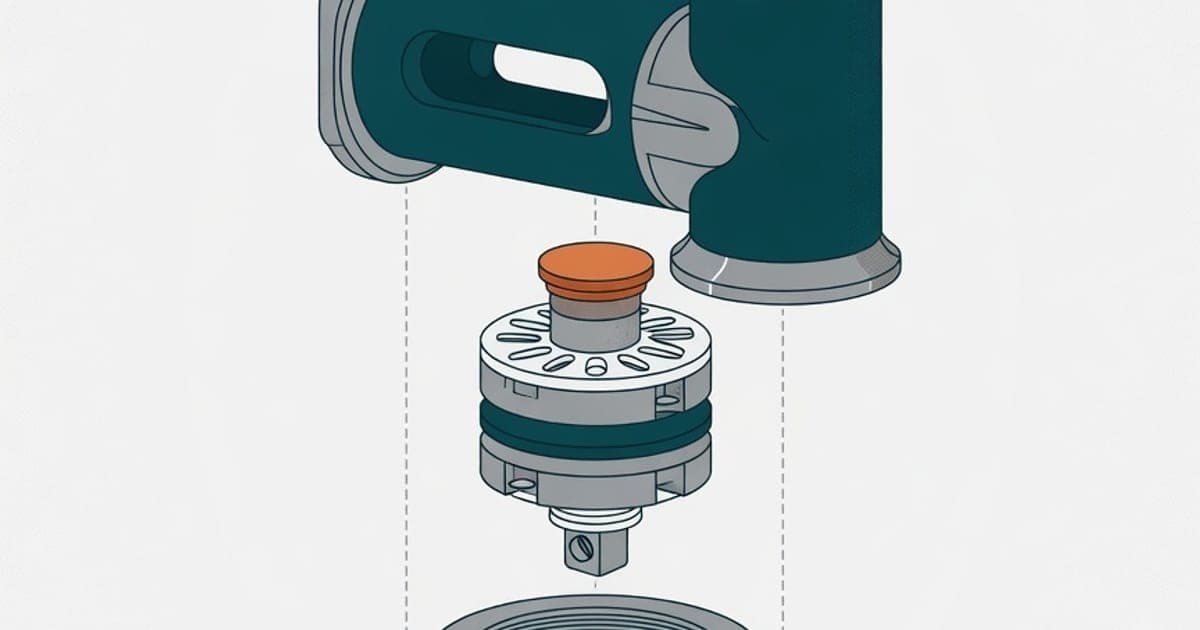
A tempering valve is a set and forget device with a wax or bimetal element. It is the normal choice for a domestic home. It holds temperature within a fairly wide band, is cheaper, and does not have a mandated servicing regime, though it will eventually wear and should be replaced when it drifts.
A thermostatic mixing valve (TMV) holds a tighter, more accurate temperature and, critically, fails safe by shutting off flow if the cold supply is lost so it cannot deliver scalding water. TMVs are required in the higher risk settings that carry the 45 degree limit. Because lives depend on them, TMVs must be commissioned, then serviced and tested at set intervals, commonly annually, by a licensed person who records the result.
| Feature | Tempering valve | Thermostatic mixing valve |
|---|---|---|
| Typical use | Domestic homes | Healthcare, aged care, childcare, schools |
| Accuracy | Wider band | Tight, accurate |
| Fail safe on cold loss | No | Yes, shuts off |
| Mandatory periodic testing | No | Yes, commonly annual |
Installation points that trip people up
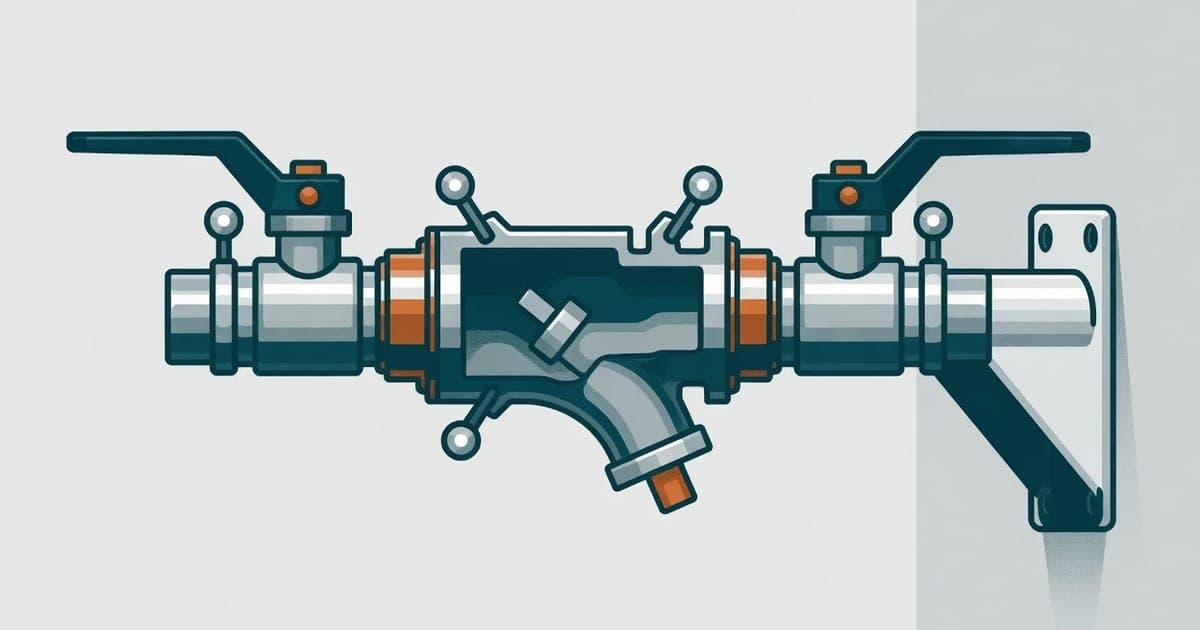
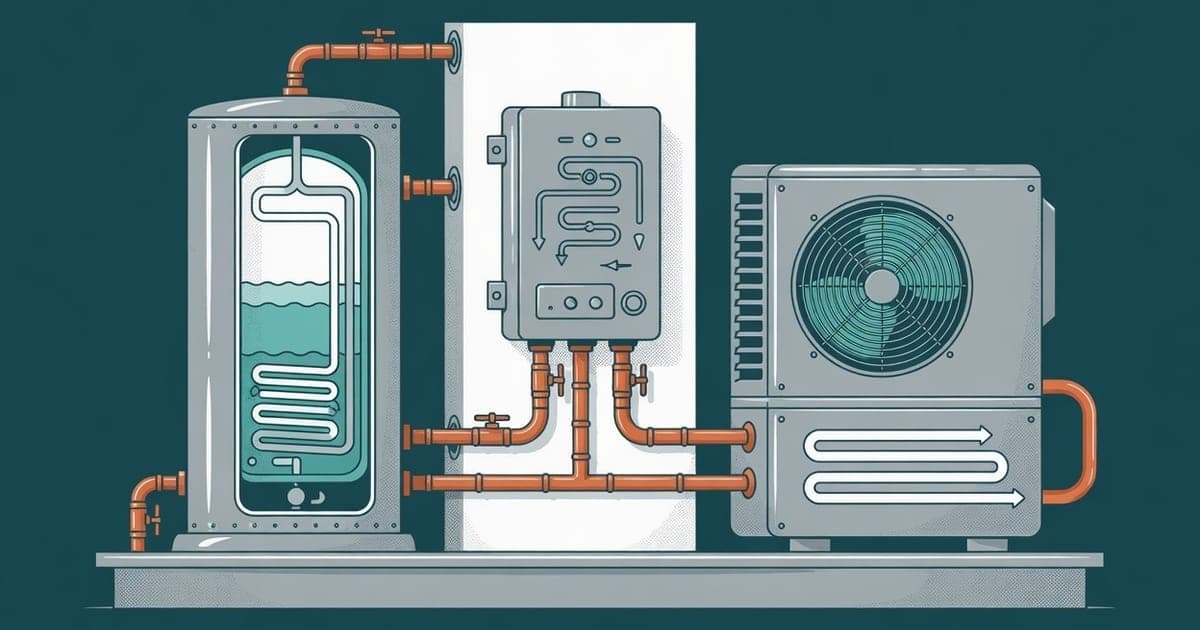
The valve must be installed on the outlet of the hot water unit, within the distance the manufacturer and standard specify, and be accessible for service or replacement. It needs isolation so it can be worked on without draining the system. Continuous flow gas units are often set to deliver at a compliant temperature directly, but many installs still fit a valve, so follow the manufacturer instructions and the plumber's judgement. When you replace a hot water unit you almost always replace the tempering valve at the same time, because a ten year old valve on a new tank is a false economy.
Where this fits in a job
Temperature compliance is not optional and it is checked as part of the plumbing certificate of compliance, so it belongs on every hot water job. If you are choosing the unit itself, start with our guide to hot water system types and the continuous flow vs storage sizing guide. The pipe tail off the unit is usually copper for temperature reasons, explained in PEX vs copper pipe. In a bathroom fit out, the valve sits alongside the rest of the bathroom renovation plumbing checklist.
Fitting or servicing a tempering valve or TMV is licensed work, so use a qualified plumber and read how to choose a licensed plumber first. To source certified valves, compare listings, and installers can list a business to pick up hot water and compliance work locally. Getting the temperature right is one of the few plumbing decisions that is genuinely about safety, not comfort, so it is worth doing properly.
Common questions
Where is the tempering valve located?
On the outlet of the hot water unit, within the distance the standard and the manufacturer specify, and positioned so it can be reached for service or replacement. It needs isolation valves so it can be worked on without draining the whole system. A valve buried where nobody can reach it is a valve nobody will maintain.
How often should a tempering valve be replaced?
A domestic tempering valve is a set and forget device with no mandated service schedule, but it wears and eventually drifts out of range. In practice it is commonly replaced with the hot water unit, roughly every eight to twelve years, or sooner if the delivered temperature creeps up or down. A cheap valve on a new tank is a false economy.
Do thermostatic mixing valves really need annual testing?
Yes. A TMV is used where people are most at risk of scalding, such as healthcare, aged care and childcare, and it fails safe by shutting off if the cold supply is lost. Because lives depend on it, it must be commissioned and then serviced and tested at set intervals, commonly annually, by a licensed person who records the result.
Do continuous flow gas units need a tempering valve?
Many are set to deliver water at a compliant temperature directly, but installs still vary and manufacturers differ, so follow the unit instructions and the plumber's assessment. The rule that matters is the outcome: water delivered to showers, baths and basins must sit within the temperature limit for the building.