Backflow Prevention and Annual Testing
5 min read
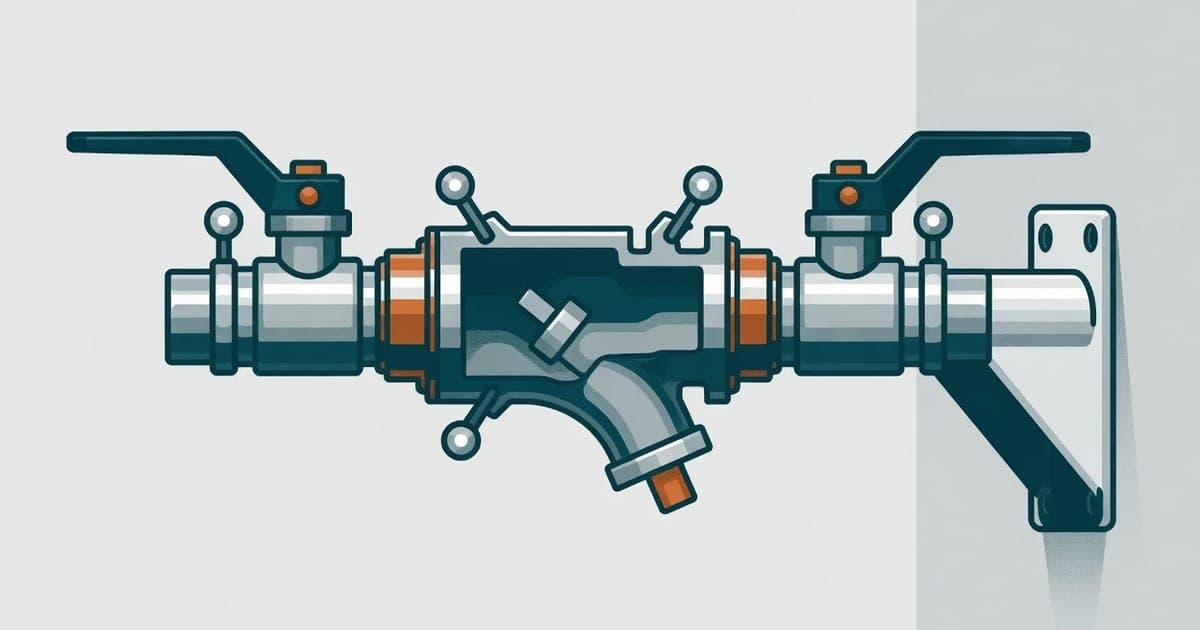
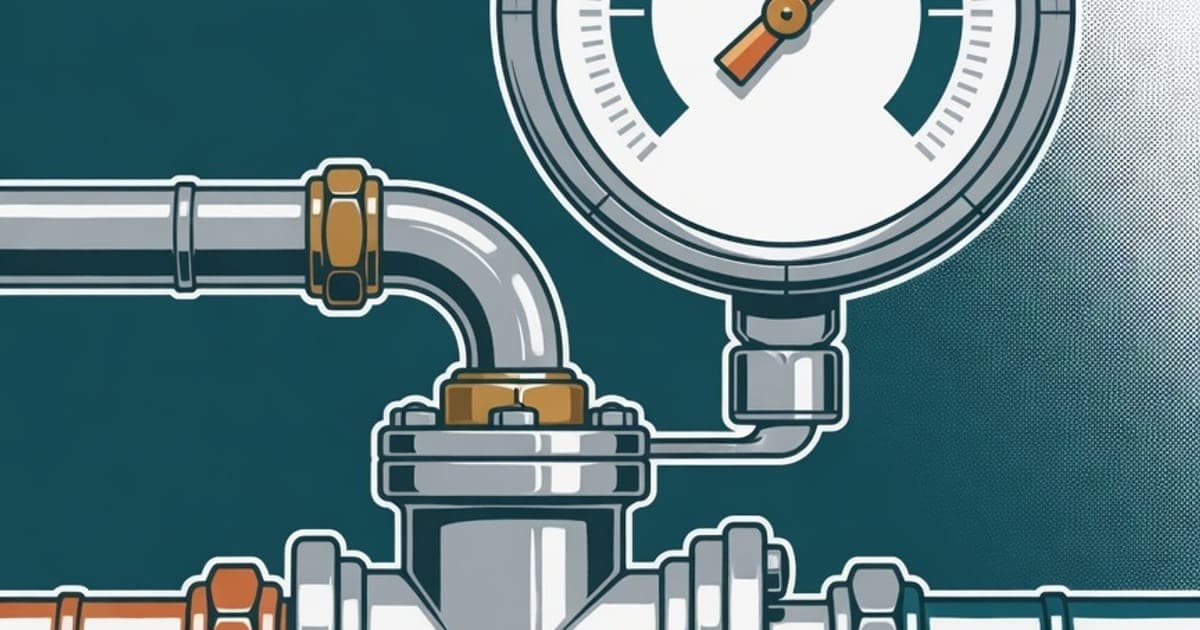
Backflow prevention is one of those plumbing requirements that most homeowners never hear about until a council letter arrives asking for a test certificate. It exists to stop contaminated water being drawn back into the drinking supply, which is a genuine public health risk, not a paperwork exercise. This guide explains how backflow happens, the device types that stop it, how the hazard rating decides which device you need, and why testable devices must be checked every year.
How backflow happens
Drinking water is meant to flow one way, from the main to your taps. Backflow is when it reverses and pulls water from a fixture or system back into the pipe. There are two mechanisms. Back siphonage happens when pressure in the main drops, for example during a burst main or heavy firefighting draw, creating suction that sucks water backwards. Back pressure happens when a downstream system, such as a pump or a boiler, is at a higher pressure than the main and pushes water back up the line.
The danger is a cross connection: any point where the drinking supply can meet something you would never want to drink. Common examples are garden irrigation systems, where a hose end sits in a puddle of fertiliser, fire sprinkler systems full of stagnant water, commercial equipment, and a hose left submerged in a tank or trough. If backflow occurs at one of these points, the contamination travels into the pipework.
The device types
Backflow prevention devices range from simple to sophisticated, matched to the level of risk:
- Air gap: a physical break where water falls through open air into a tank, so nothing can be sucked back. The most reliable barrier where it can be used.
- Dual check valve: two spring loaded check valves in series, used for low hazard situations such as a typical single dwelling connection. Often not individually testable.
- Double check valve (DCV): a testable version used for medium hazard, with test cocks so its performance can be verified.
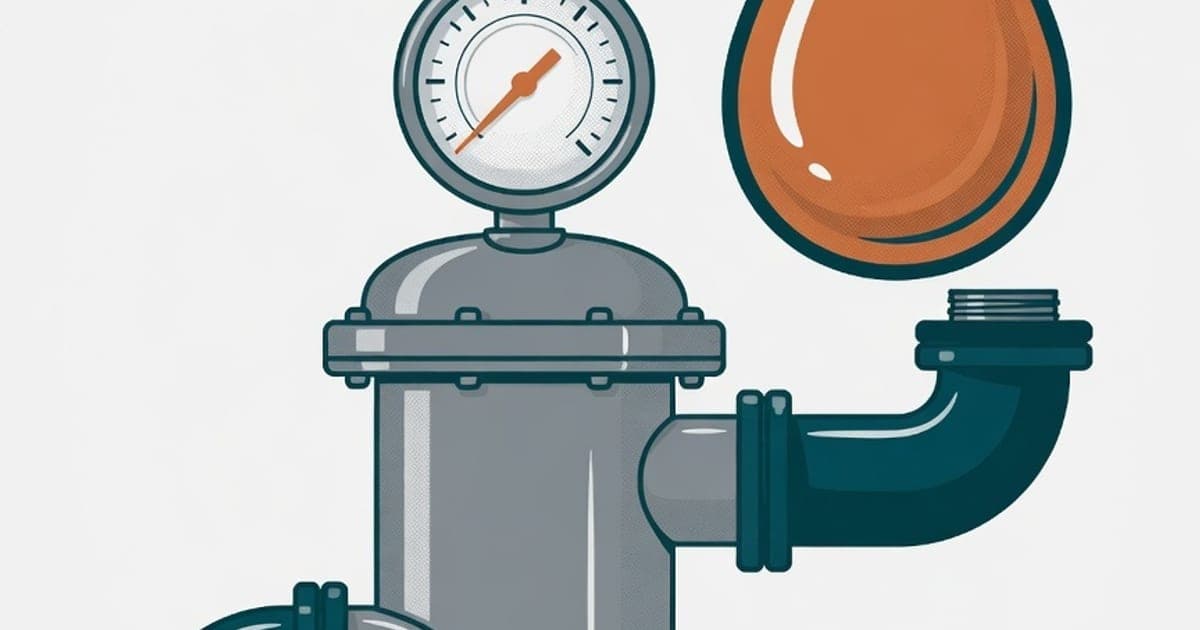
- Reduced pressure zone device (RPZ): the device for high hazard, with a relief valve that dumps water to a drain if the checks fail, so contaminated water spills to waste rather than back into the main. It must be installed where that discharge is acceptable.
Hazard ratings decide the device
The plumbing standard classifies each connection as low, medium or high hazard depending on what could contaminate the water and how harmful it would be. A garden tap on a house is low. A commercial kitchen, a medical practice, an irrigation system with chemical injection, or an industrial process is high. The higher the hazard, the more robust and the more thoroughly testable the required device. Getting the rating right is a job for the plumber and the water authority, not a guess, because fitting a dual check where an RPZ is required leaves a real gap.
Why annual testing is mandatory
Testable backflow devices contain springs, seats and diaphragms that wear, stick or fail with time and debris. A failed device looks identical to a working one from the outside, so the only way to know it still protects the supply is to test it. That is why water authorities require testable devices to be tested when installed and then at least once a year by an accredited backflow prevention tester, who lodges the result with the authority or council. Miss the test and you can face reminders, fees, or in some cases disconnection. Keep the paperwork: the certificate is proof the property is compliant.
What owners should do
If you own a commercial property, run irrigation, have a fire service, or have had a device fitted, put the annual test in your calendar and book an accredited tester before the due date. If you are unsure whether your property even needs a device, ask a licensed plumber to assess the connections. Choosing that plumber is covered in how to choose a licensed plumber. Where a pump creates back pressure risk, the pressure pump sizing guide is relevant, and if you are running rainwater alongside mains, the changeover is a classic cross connection point.
Backflow protection also intersects with drainage and drinking water quality, covered in clearing and preventing blocked drains and water filtration options. A dripping outlet is unrelated but often noticed at the same time, see replacing a tap cartridge. To find an accredited tester or a device supplier, browse listings, and testers can list a business to reach the properties that need annual checks. It is a small annual cost for keeping the drinking water genuinely safe.
Common questions
Who is allowed to test a backflow device?
Only an accredited backflow prevention tester, who holds the specific accreditation on top of a plumbing licence and lodges the result with the water authority or council. It is not something a general handyman can sign off. When you book the annual test, confirm the tester is accredited and that they will provide the certificate.
Does a normal house need a backflow device?
A typical single dwelling connection is low hazard and is usually protected by a simple dual check valve at the meter, which does not need annual testing. The testable devices and annual testing come in where the hazard is higher, such as irrigation with chemical injection, commercial premises, fire services and industrial processes. A plumber can assess the connections and tell you what applies.
What happens if I miss the annual test?
Water authorities track testable devices, so a missed test typically brings reminders and fees, and in some cases the supply can be restricted or disconnected until the property is compliant. Beyond the paperwork, an untested device may have quietly failed, leaving the drinking supply unprotected, so the test is worth keeping current.
Where does an RPZ device discharge?
A reduced pressure zone device has a relief valve that dumps water to a drain if the internal checks fail, sending any contaminated water to waste rather than back into the main. Because of that discharge, an RPZ has to be installed where the water can drain away safely and where the relief opening will not be submerged, which is part of why device placement is a job for a licensed plumber.