Water Filtration: Whole-House, Under-Sink and RO
5 min read
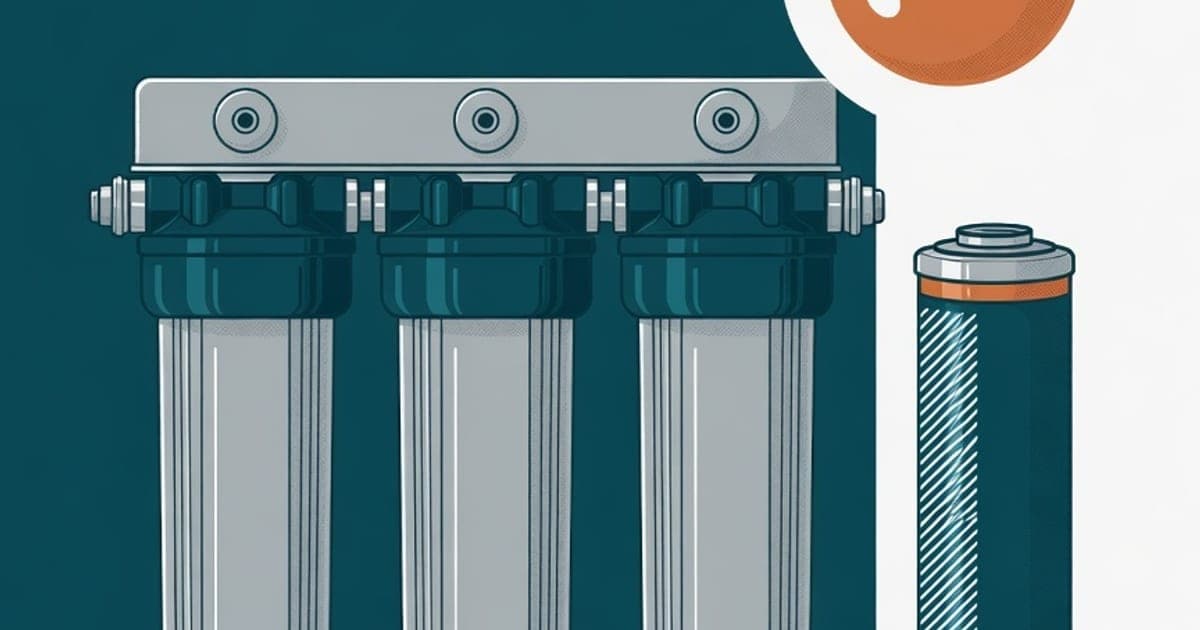
Water filtration ranges from a simple carbon cartridge under the sink to a reverse osmosis unit that strips water back to near pure, and the right choice depends entirely on what is in your water and what you want to fix. Buying a filter without knowing your water is how people end up paying to remove things that were never there while ignoring the problem they actually have. This guide compares whole house, under sink and reverse osmosis systems, explains what each removes, and helps you match filtration to your supply.
Start by knowing your water
Mains town water is already treated and safe, so filtration here is usually about taste, chlorine smell, sediment or removing specific contaminants. Rainwater from a tank is soft and pleasant but can carry sediment, leaf debris and, if the roof or tank is not managed, bacteria. Bore water can be hard, high in iron or minerals, or contaminated. A cheap water test tells you the hardness, the sediment load and whether you have a bacterial or chemical problem, and that result should drive the whole decision. Fit the filter to the water, not to the marketing.
Whole-house filtration
A whole house, or point of entry, filter sits where the water enters the property and treats every outlet. It typically uses a sediment cartridge to catch grit and a carbon stage to reduce chlorine, taste and odour, protecting the plumbing, appliances and every tap. It is the right choice where the issue affects the whole house, such as sediment on tank water or chlorine you want out of the shower as well as the kitchen. It does not usually remove dissolved minerals or produce drinking grade purity on its own, and the cartridges need changing on schedule or they become a problem rather than a solution.
Under-sink filtration
An under sink, or point of use, filter treats only the kitchen tap you drink from, usually through a fine sediment stage and a carbon block that improves taste and removes chlorine and many organic contaminants. It is cheaper to buy and run than whole house because it treats a small fraction of the water, and it is the sensible choice when your only real aim is better drinking and cooking water. It does not remove dissolved solids, fluoride or salts.
Reverse osmosis
Reverse osmosis, or RO, forces water through a very fine membrane that removes dissolved solids, salts, fluoride, heavy metals and much more, producing the purest water of the three. It is the answer for genuinely poor quality supplies, high salinity bore water, or where you need to remove dissolved contaminants that carbon cannot. The trade offs are real: RO is slower, wastes some water to drain as reject, and strips the minerals that give water taste, so many units add a remineralising stage. It is normally fitted as a point of use system at the kitchen.
| System | Treats | Removes dissolved solids | Best for |
|---|---|---|---|
| Whole house | Every outlet | No | Sediment and chlorine house wide |
| Under sink | Kitchen tap | No | Better drinking water on mains |
| Reverse osmosis | Kitchen tap | Yes | Poor or high salinity supplies |
Matching it to your setup
If you are on rainwater, a whole house sediment filter plus disinfection where needed, and an under sink carbon filter for drinking, covers most homes well. On problem bore water, RO at the kitchen with a whole house iron or sediment stage upstream is common. On good town water, an under sink carbon filter is often all you need. Whatever you fit, keep to the cartridge change schedule.
Filtration also protects downstream equipment, so it works alongside choices like your hot water system and the pipe material in PEX vs copper pipe. Where a pump feeds the house from a tank, size it with the pressure pump sizing guide, and keep any mains top up protected per backflow prevention and annual testing.
Installing a plumbed in filter is plumbing work, so use a licensed plumber, covered in how to choose a licensed plumber. To compare filter systems and cartridges, browse listings, and suppliers or installers can list a business to reach local homeowners. Test first, then buy the filter that fixes the problem you actually have.
Common questions
How often do filter cartridges need changing?
Follow the manufacturer schedule, which is commonly every six to twelve months for sediment and carbon cartridges and longer for an RO membrane, but real life depends on your water and how much you use. A cartridge left in too long stops filtering and can become a home for bacteria, so a spent filter is worse than none. Mark the change date when you fit it.
Does reverse osmosis waste water?
Yes, RO sends some water to the drain as reject while it pushes the rest through the membrane, so it is less efficient in water use than a carbon filter. Modern units have improved the ratio, and the trade off buys you the purest water of any household system, but on a rainwater supply the waste is worth factoring in.
Do I need any filtration on town water?
Not for safety, since town water is already treated to a drinking standard. Filtration on mains is about preference: removing the chlorine taste and smell, catching any sediment picked up in old pipes, and improving the water you drink and cook with. An under sink carbon filter covers most of that cheaply.
Is rainwater safe to drink straight from the tank?
Rainwater is popular and pleasant but it is not automatically drinking safe. It depends on a clean roof and gutters, a first flush diverter, a maintained tank and, where needed, disinfection such as ultraviolet treatment. A sediment filter plus UV is a common setup for making tank water reliably safe to drink.