Sizing a Rainwater and Pressure Pump
5 min read
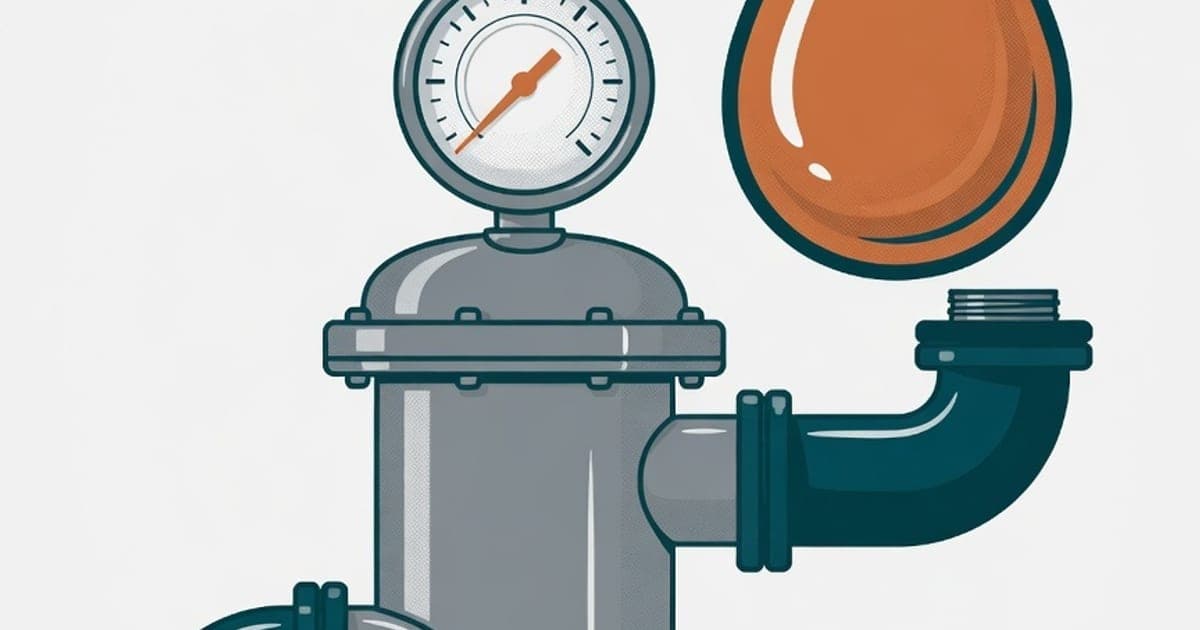
An undersized pump gives you a weak shower that dies the moment someone opens a second tap, while an oversized one wastes money and cycles itself to an early death. Getting a rainwater or pressure pump right is a matter of two numbers, flow and head, plus a decision about how the pump is controlled. This guide shows how to work out what your house actually needs so you can buy once and buy right.
The two numbers that matter
Flow rate is how much water the pump must deliver, measured in litres per minute. You estimate it by adding up the outlets likely to run at the same time. As a rough guide a shower or a garden tap each wants around 9 to 15 litres per minute, a basin or toilet cistern less. A small household that never runs two big outlets together might peak around 20 to 30 litres per minute, while a larger home with two bathrooms in use wants more. Do not size for every tap in the house at once, but do be honest about the busy morning.
Head is the pressure the pump must generate, and it is the sum of three things: the vertical lift from the water surface up to the highest outlet, the friction losses along the pipe run, and the pressure you actually want at the tap. Head is quoted in metres or in kilopascals, where roughly 10 metres of head equals about 100 kilopascals. A comfortable house pressure is often in the range of 150 to 300 kilopascals at the fixture, and long or narrow pipe runs add friction on top of the static lift.
Reading a pump curve
Every pump has a performance curve that plots flow against head. The trap is that the headline figures are not achieved together: a pump advertised at a high maximum flow and a high maximum head delivers those at opposite ends of the curve, never at once. Find the point on the curve where your required flow and your required head meet, and make sure it sits comfortably inside the curve, not right at the edge. Sizing to the middle of the curve leaves headroom for friction you underestimated.
How the pump is controlled
- Pressure switch and tank: a traditional setup where the pump cuts in at a low pressure and out at a high one, with a small pressure vessel smoothing things. Cheap and robust, but you feel the pressure swing between cut in and cut out, and frequent short cycling shortens pump life.
- Constant pressure controller: an electronic controller starts the pump on any flow and holds a steady pressure, so the shower does not surge. Simple and popular for rainwater to house duty.
- Variable speed drive: the pump speeds up and slows to hold pressure exactly while using less energy, the quietest and smoothest option and the most expensive.
For a rainwater tank supplying the house, a constant pressure or variable speed pump gives the best everyday result. Where the pump also has to draw water up from below its own level, check whether it is self priming or needs a flooded suction, because a pump that cannot prime will sit there running dry.
Protecting the pump
Fit the suction with a strainer or foot valve to keep debris out, and consider dry run protection so the pump shuts down rather than burning out if the tank empties. If the pump feeds both rainwater and a mains top up, the changeover device must protect the drinking supply from any cross connection, which ties directly into backflow prevention and annual testing. The pipe from the pump into the house also has to be sized so friction does not eat your pressure, and the material choice is covered in PEX vs copper pipe.
Bringing it together
Work out your simultaneous flow, add up your head, find a pump whose curve covers both with room to spare, then pick the control type that matches your budget and how fussy you are about steady pressure. If the pump also feeds a hot water unit, make sure the pressure suits it, and cross check the hot water system types guide. Poor drainage is a separate problem covered in clearing and preventing blocked drains.
Installing a pressure pump and its connections is plumbing work, so use a licensed plumber, and read how to choose a licensed plumber if you are hiring. To compare pumps, controllers and tanks, browse current listings, and pump suppliers or installers can list a business to reach local buyers. Spend the extra ten minutes on the two numbers before you buy: it is far cheaper than replacing a pump that was never going to keep up.
Common questions
Why does my pump keep starting and stopping constantly?
Rapid short cycling usually means a waterlogged pressure vessel that has lost its air charge, or a small leak somewhere in the system that bleeds pressure so the pump keeps kicking in. Both wear the pump out early. Recharging or replacing the pressure vessel, or finding and fixing the leak, fixes it. A constant pressure or variable speed pump avoids the problem by design.
How loud are pressure pumps?
It varies with type and mounting. Variable speed pumps are the quietest because they run slower most of the time, while a basic pressure switch pump is the noisiest as it slams on and off. Mounting the pump on a firm base with rubber feet, and keeping it away from bedroom walls, makes a real difference.
Do I even need a pump on mains water?
Usually not. Mains supply normally arrives with enough pressure for a house, and a pump is only needed if the mains pressure is genuinely low. Pumps come into their own on rainwater and bore water, where the tank sits at or below the fixtures and there is no mains pressure to rely on.
What is dry run protection?
It is a device or built in feature that shuts the pump down if it runs without water, for example when the tank empties. Running a pump dry burns out the seals and the motor quickly, so dry run protection is cheap insurance on any pump drawing from a tank that can run low.