Clearing and Preventing Blocked Drains
5 min read
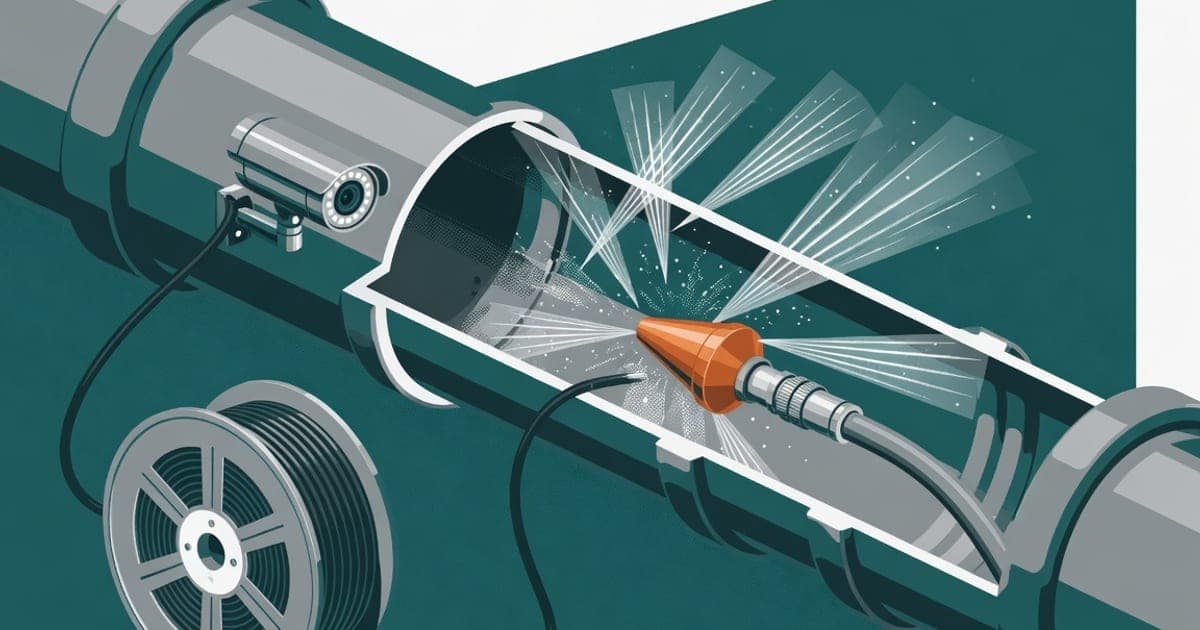
A blocked drain is rarely a mystery once you know the usual suspects, and the modern tools for clearing one have moved a long way past a plunger and a length of wire. This guide covers what actually blocks household drains, how a plumber diagnoses and clears the blockage with a camera and a jetter, when a no dig relining repair makes sense, and the simple habits that stop most blockages happening in the first place.
What blocks a drain
Most blockages come down to a short list of causes:
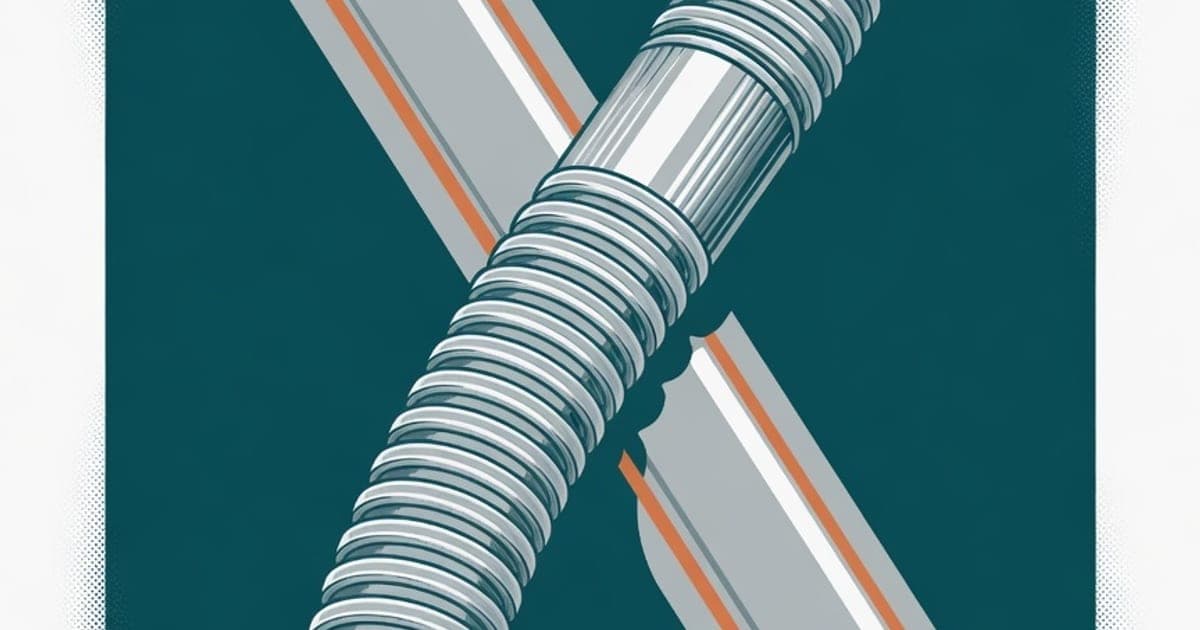
- Tree roots seeking water and nutrients find the tiny gaps at pipe joints and grow into a dense mat inside the line. This is the number one cause of chronic blockages in older clay and earthenware sewers.
- Fat, oil and grease poured down a kitchen sink cools and sets on the pipe wall, narrowing it until it clogs.
- Wet wipes and hygiene products, including the wipes labelled flushable, do not break down like toilet paper and snag on any roughness or root.
- Foreign objects, from a child's toy to a build up of hair in a shower waste.
- Collapsed pipe or a belly, where a section has sagged or broken so water and solids pool and catch. This one will not stay fixed by clearing alone.
Diagnosing with CCTV
A drain camera, pushed through the pipe on a flexible rod, shows exactly what is going on and where. Instead of guessing, the plumber sees whether it is roots, grease, a foreign object or a structural fault, and a locator marks the spot on the surface. This matters because the fix is completely different for a grease build up than for a cracked pipe, and paying to jet a collapsed pipe just buys you a few weeks. Always ask for the camera footage: it is your evidence of both the problem and the repair.
Clearing with hydro jetting
Hydro jetting sends water through a specialised nozzle at high pressure. Forward jets cut through the blockage while rear facing jets drive the hose along and scour the pipe wall clean, stripping grease and cutting fine roots far more thoroughly than a mechanical cutter alone. For a grease or root blockage in a sound pipe, jetting followed by a confirming camera pass is the gold standard. It clears the whole bore, not just a hole through the middle that reblocks quickly.
Relining a broken pipe
When the camera shows cracks, root entry points or a section that keeps failing, clearing is only a temporary fix. Pipe relining, or cured in place pipe, threads a resin soaked liner into the old pipe and cures it hard, forming a new jointless pipe inside the old one without digging up the yard. It seals the root entry points so the roots cannot return, and it is usually cheaper and far less disruptive than excavating and replacing a buried sewer. It is not the answer to a fully collapsed pipe, which the camera will show, but it solves the common cracked and root damaged line well.
Preventing the next blockage
- Scrape plates and tip fat into the bin, never down the sink.
- Only flush the three Ps: pee, poo and paper. Wipes go in the bin even when the packet says flushable.
- Fit strainers over kitchen, shower and basin wastes and clean them out.
- Think twice before planting thirsty trees over or near the sewer line.
- If you get repeat blockages, get a camera survey rather than clearing it again and again.
Getting help and doing it right
A one off slow drain might clear with care, but recurring or sewer blockages are a job for a plumber with a camera and a jetter. Choosing the right one is covered in how to choose a licensed plumber. If your drainage problem involves a pump moving waste or stormwater, the pressure pump sizing guide is worth a look, and any cross connection risk ties into backflow prevention and annual testing. A small dripping fixture is a different kind of problem, handled in replacing a tap cartridge.
To find a drainage specialist or hire equipment, browse listings, and drainage contractors can list a business to reach homeowners nearby. The cheapest thing you can do for your drains is behavioural: keep fat, wipes and roots out, and most of the callouts never happen.
Common questions
Are chemical drain cleaners safe to use?
They are best avoided as a routine fix. Caustic drain cleaners can damage older pipes and the environment, they only ever punch a hole through the middle of a blockage rather than clearing the whole bore, and the blockage returns quickly. They also make it more hazardous for a plumber to work on the drain afterwards. Mechanical clearing and hydro jetting are more thorough and do not attack the pipe.
Is relining really cheaper than digging up the pipe?
Often, once you count the whole job. Excavating a buried sewer means breaking up paths, gardens or slabs and reinstating them afterwards, which is where the real cost sits. Relining cures a new pipe inside the old one without the dig, so for a cracked or root damaged line that is still structurally present it is usually cheaper and far less disruptive. A fully collapsed pipe still needs excavation.
Who is responsible for a blocked drain?
Generally the property owner is responsible for the drains on their side of the connection point, and the water authority for the main. A camera survey that locates the blockage also shows which side of the boundary it sits on, which settles who pays. If the blockage is recurring and near the boundary, it is worth confirming responsibility before you keep paying to clear it.
Are flushable wipes actually flushable?
No. Despite the label, they do not break down like toilet paper and are a leading cause of blockages and pump failures. Put wipes, even the flushable ones, in the bin. Sticking to the three Ps, pee, poo and paper, prevents a large share of household drain callouts.