Replacing a Tap Cartridge and Fixing a Dripping Mixer
5 min read
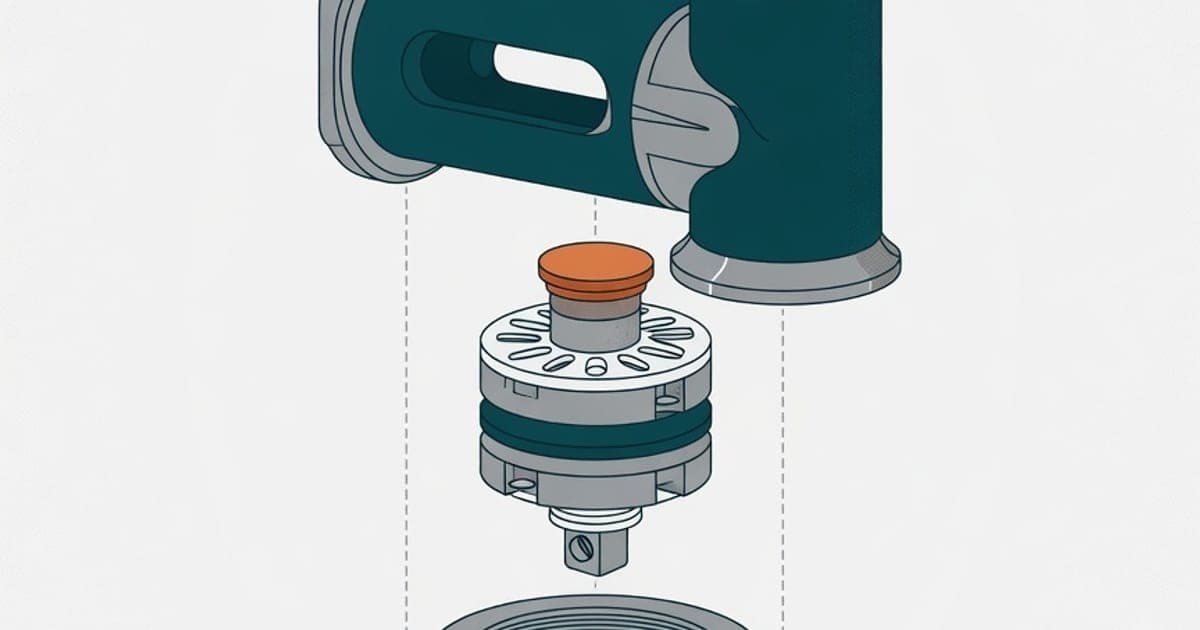
A tap that drips wastes a surprising amount of water over a year and, on the hot side, quietly burns money heating water that runs straight down the plughole. The good news is that a drip is almost always a worn part inside the tap, not a failed tap, so the fix is usually a cheap component rather than a new fitting. This guide explains why taps drip, the difference between a traditional washer tap and a modern ceramic mixer, and how the repair goes, so you know what is involved before you start or before you call someone.
Why a tap drips
A tap controls water by pressing a moving part against a seat to seal it. When that seal wears, water seeps past even when the tap is fully closed, and you get a drip. In an older separate hot and cold tap set, the sealing part is a rubber washer on the end of the spindle. In a modern single lever mixer, it is a ceramic disc cartridge, a sealed unit with two polished discs that slide across each other. Ceramic cartridges last far longer than rubber washers but do eventually wear, scratch on grit in the water, or seize up.
Isolate the water first
Before anything comes apart, the water has to be off. Many modern fixtures have small isolation valves, called mini stops, on the flexible hoses under the basin or sink, and a quarter turn shuts just that fixture. If there are none, you turn off the main at the meter. Then open the tap to release pressure and drain the line, and put the plug in so nothing small falls down the waste. Skipping this step is how a small job becomes a flooded vanity.
The washer tap repair
On a traditional tap you remove the handle, undo the bonnet or cover, and unscrew the headgear to reach the spindle. On the end is the worn washer, held by a small screw. You replace the washer with the correct size, and while it is apart it is worth reseating the brass seat with a reseating tool if it is pitted, because a rough seat chews through washers. New O rings on the spindle stop leaks around the handle. Reassemble, turn the water on slowly, and check.
The ceramic cartridge repair
On a mixer you lift or unclip the lever, remove a grub screw or cap, and lift out the cartridge, often held by a retaining ring or nut. The critical step is matching the replacement. Cartridges are not universal: they vary by brand, model, diameter and the way they are keyed, so take the old one to the supplier or match the exact tap model. Fitting the wrong cartridge is the most common reason a home repair fails. Clean the body, seat the new cartridge on its locating pin, tighten the retainer without overdoing it, and reassemble.
When to call a plumber
Plenty of people happily change a washer or cartridge. Call a licensed plumber when the isolation valves do not hold, when the tap body itself is corroded or cross threaded, when it is a wall mounted or concealed mixer that needs the wall opened, or when you simply would rather not risk it. Choosing one is covered in how to choose a licensed plumber. If several taps are worn at once you may be looking at a full tapware refresh, which fits into the bathroom renovation plumbing checklist.
A weak or surging flow rather than a drip can be a pressure or pump issue, covered in the pressure pump sizing guide, and if only the hot side misbehaves it can point back to the hot water system or its tempering valve. When you buy the replacement part, matching the exact model matters, which is where our guide to buying plumbing parts safely helps.
To find tapware, cartridges and washers, or a plumber to fit them, browse listings, and suppliers or tradespeople can list a business to reach local customers. Fix a drip early: it is a few dollars in parts against a slow leak that stains the basin and inflates the water and energy bill month after month.
Common questions
How do I know whether my tap uses a washer or a cartridge?
Look at how it is operated. A pair of separate hot and cold taps, each turned several rotations, almost always uses a rubber washer on a spindle. A single lever mixer that swings for temperature and flow uses a ceramic disc cartridge. Some quarter turn taps also use ceramic discs. Knowing which you have tells you which part to buy.
How do I find the tap model to order the right part?
Check for a brand name or model number on the tap body, often under the spout or on the base, and take a photo. If nothing is marked, remove the cartridge or headgear and take the old part to a plumbing supplier to match it. Cartridges vary by diameter and keying, so matching the exact part is what makes the repair work.
Why does my tap still drip after I fitted a new cartridge?
Usually one of two things: the replacement is not the correct part for that tap, or there is grit or a damaged seat in the tap body stopping the new cartridge sealing. Clean the body out, confirm the part number matches, and check the seat. If it still weeps, the tap body itself may be worn and need replacing.
Can I fix a wall mounted mixer myself?
It is harder than a basin mixer because the body is concealed in the wall and the isolation may not be obvious. Many wall mixers can have their cartridge changed from the front without opening the wall, but if the body is corroded or leaking behind the tiles it becomes a job for a plumber to avoid damaging the waterproofing.