PEX vs Copper Pipe: Which One and Why
5 min read
When you re pipe a house or run new water lines, the first material decision is PEX or copper. Both are approved for use in Australian potable water plumbing when they carry the right certification, and both will outlast most renovations. The difference is in cost, install speed, how they handle heat and aggressive water, and how they behave decades down the track. This guide compares the two honestly so you can brief your plumber rather than take the first material they reach for.
What each pipe actually is
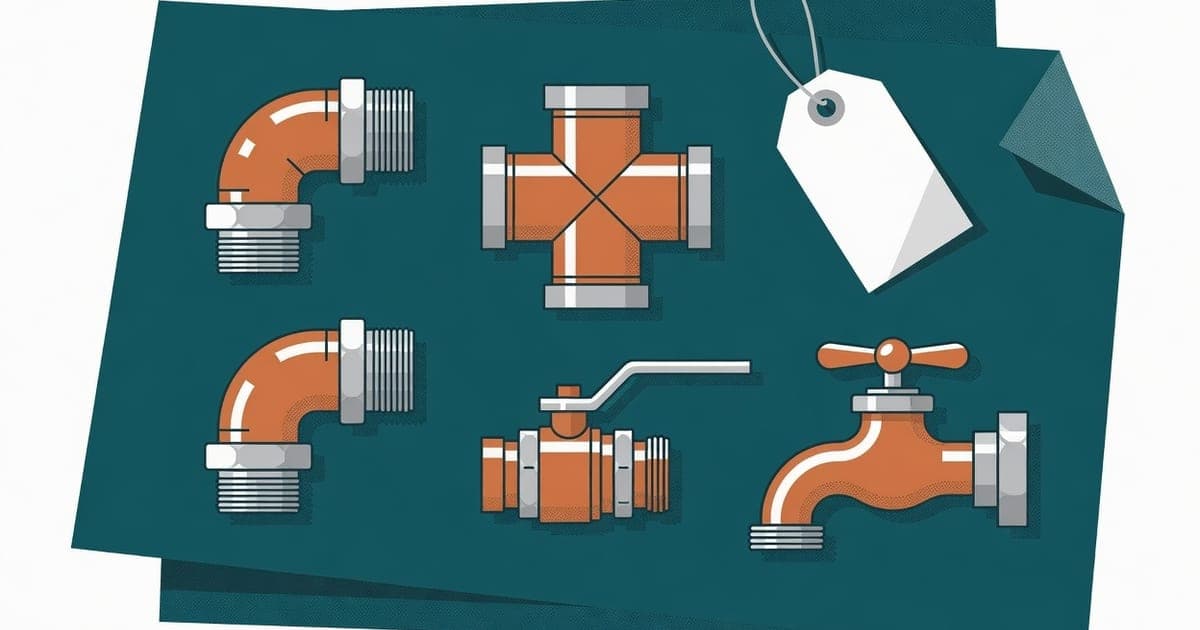
PEX is cross linked polyethylene, a flexible plastic tube supplied in coils or straight lengths. It joins with crimp, press or push fit fittings and bends around corners, so a whole house can be run with far fewer joints than copper. In Australia it must be certified to the relevant product standard and carry a WaterMark, which is the mandatory certification for plumbing products sold here.
Copper is the traditional rigid metal pipe, joined by soldering, brazing or press fittings. It has a track record measured in generations, tolerates high temperatures without question, and is fully recyclable at end of life. It is also more expensive as a material and slower to install because every direction change is a fitting and every joint is soldered or pressed.
Cost and installation speed
PEX usually wins clearly on installed cost. The material is cheaper, and because it flexes you use fewer fittings and less labour. A manifold or home run layout, where each fixture gets its own line back to a central manifold, is quick in PEX and gives you a shut off for every fixture. Copper takes longer, needs more skill to get clean soldered joints, and involves a naked flame in the roof space or wall cavity, which some renovators would rather avoid.
Temperature, pressure and freezing
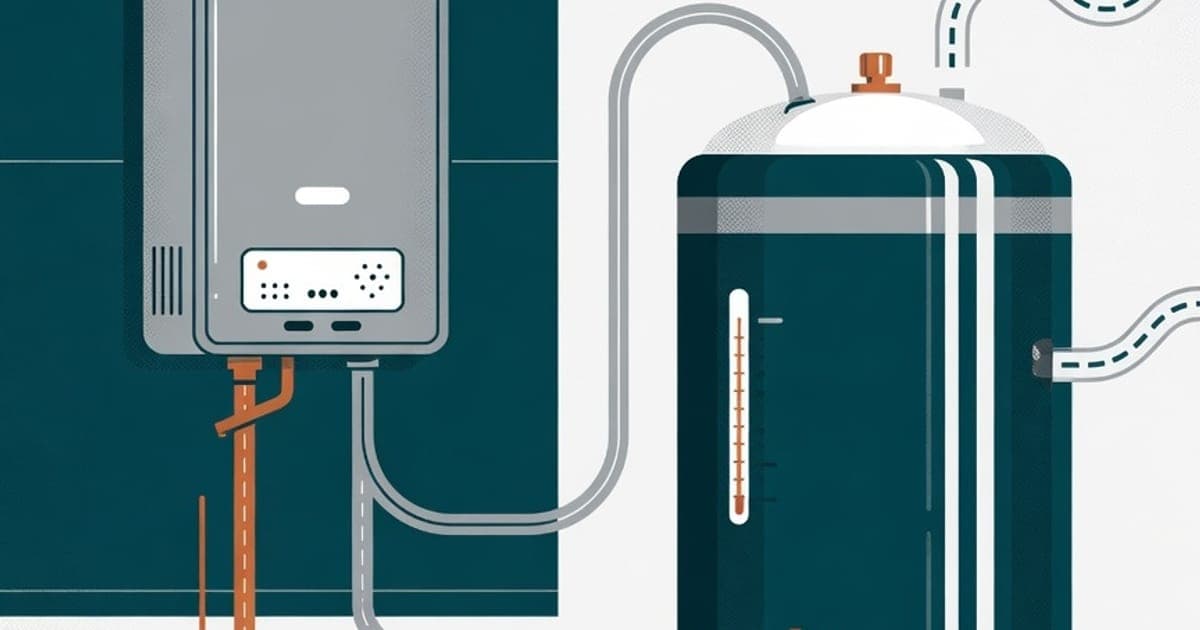
Copper handles the highest temperatures and is the safe choice right at a hot water unit outlet, where standards and manufacturers often require a metal tail before the plastic begins. PEX is rated for hot water too, but check the manufacturer temperature and pressure limits and follow them. In cold climates PEX has an advantage: it can expand a little if water freezes inside it, where copper tends to split, though neither should be relied on to survive a hard freeze unprotected.
Corrosion and water quality
This is where local water matters. Copper can suffer pinhole corrosion in areas with aggressive or acidic water, or where poor earthing sets up a stray current. PEX does not corrode at all, which is a real advantage on rainwater, bore water or known aggressive supplies. On the other hand PEX must be protected from ultraviolet light, so it cannot be run exposed outdoors, and it needs protecting from rodents, which have been known to chew it. Copper shrugs off both.
| Factor | PEX | Copper |
|---|---|---|
| Material cost | Lower | Higher |
| Install speed | Faster, fewer joints | Slower, skilled |
| Max temperature | Good, check limits | Excellent |
| Corrosion resistance | Excellent | Can pinhole in aggressive water |
| UV and rodents | Must be protected | Immune |
| Recyclability | Limited | Fully recyclable |
So which should you use
For most internal domestic re pipes on mains water, PEX gives you a faster, cheaper, corrosion proof result with a shut off at every fixture. Copper remains the better choice for exposed runs, the short tail directly off a hot water unit, and anywhere it will see UV or physical abuse. Plenty of good jobs mix the two: copper where it has to be, PEX for the long concealed runs.
Whichever you choose, water pipe work is licensed plumbing and needs a compliance certificate, so read how to choose a licensed plumber before hiring. If your run feeds a hot water unit, the temperature rules in tempering valves and TMV compliance apply, and the choice of unit itself is covered in our guide to hot water system types. Where a pump lifts rainwater into the house, size it correctly using our pressure pump sizing guide.
When you are buying pipe, fittings and manifolds, compare current listings so you are matching WaterMark certified products, and if you are a merchant or plumber you can list your business to reach renovators near you. The cheapest pipe is a false economy if it is not certified, so make certification, not price, your first filter.
Common questions
Is PEX safe for drinking water?
Yes, when it is WaterMark certified for potable use, which is the mandatory certification for plumbing products in Australia. As with any new pipework, flush the lines well before drinking from them so any residue from installation is cleared. An uncertified pipe is the thing to avoid, not the material itself.
Can PEX and copper be joined in the same house?
They can, using proper transition fittings, and many good jobs mix the two deliberately. Copper is used for the short tail off a hot water unit and any exposed or UV exposed run, and PEX is used for the long concealed runs where its speed and corrosion resistance pay off.
How long does PEX last?
Decades, provided it is protected from the two things that harm it: ultraviolet light and rodents. Kept out of sunlight and run where vermin cannot reach it, PEX has a long service life with no corrosion. Copper lasts as long or longer but can suffer pinhole corrosion in aggressive water.
Does the choice affect earthing?
It can. A metal water pipe was historically used as part of a home's electrical earthing and bonding, so switching sections to plastic changes that. This is a reason to leave the electrical bonding to the licensed trades and to tell your electrician if pipework is being changed to plastic, so the earthing stays correct and safe.